So, your driveway's seen better days, huh? Maybe it's got more cracks than a desert floor after a long summer, or it's just uneven and bumpy. You've probably heard the term 'asphalt milling' thrown around, and you're wondering if it's the right fix for your place. Let's break it down, plain and simple.
What Even Is Asphalt Milling?
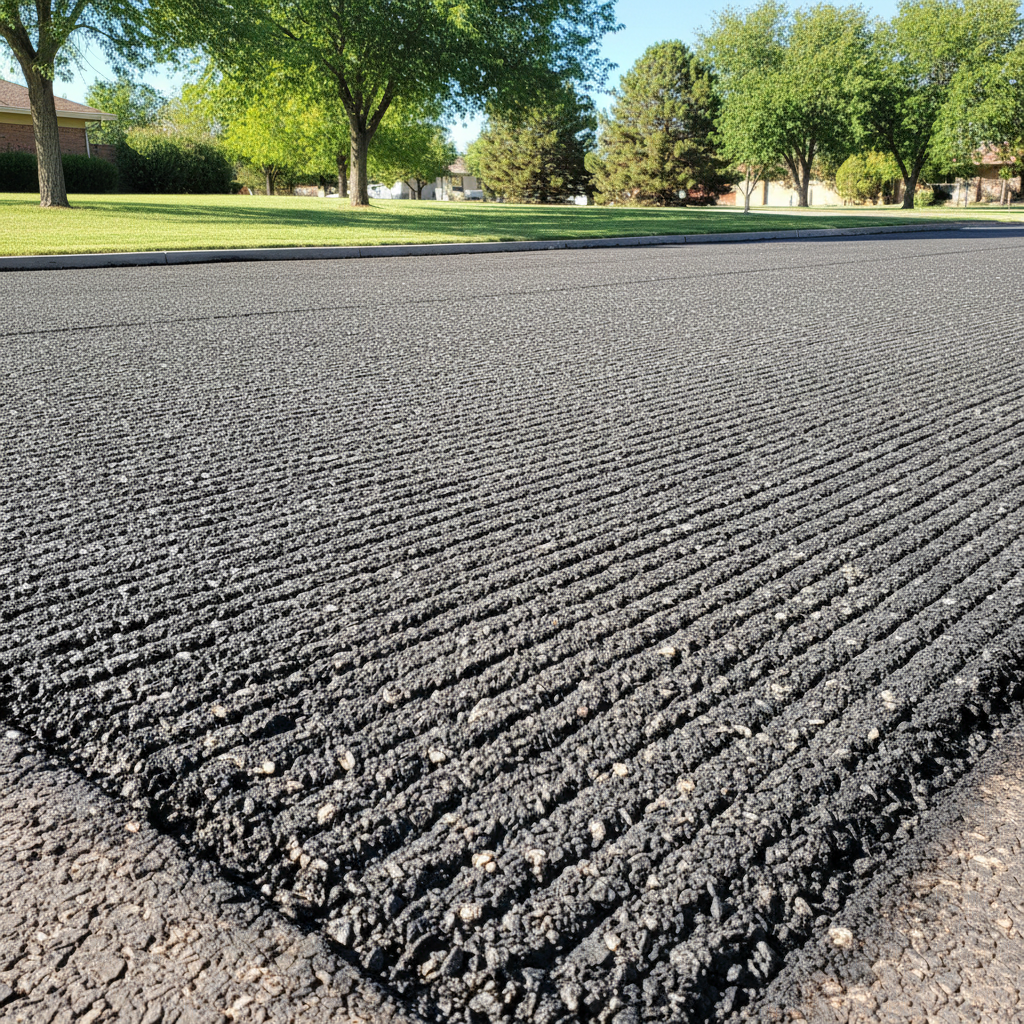
Alright, picture this: instead of ripping out your entire old asphalt driveway, which is a huge, messy, and expensive job, milling is like giving it a really deep shave. We use a specialized machine to grind off the top layer of old, damaged asphalt. It leaves behind a rough, textured surface, perfect for a new layer of fresh asphalt to bond to. Think of it as recycling your old driveway right there on the spot.
Why do it? Well, it's often more cost-effective than a full tear-out and replacement. It also helps maintain your existing grades and drainage, which is super important, especially with our monsoon season here in Las Cruces. You don't want water pooling up against your house because a new driveway is suddenly too high, do you?
When Does Milling Make Sense for a Homeowner?
Milling isn't for every situation. Here's when it's usually a good option:
- Your driveway has widespread cracking, potholes, or significant rutting, but the underlying base is still solid. If that base is shot, you're probably looking at a full replacement.
- You need to lower the grade of your driveway slightly without completely rebuilding it.
- You want to reuse the existing asphalt material. The milled-off asphalt, often called 'RAP' (Recycled Asphalt Pavement), can sometimes be repurposed as a base material or for other projects, which is pretty neat.
If your driveway is just faded or has a few small cracks, a simple sealcoat or patch might be all you need. Don't overcomplicate it if you don't have to.
Can You DIY Asphalt Milling? (Spoiler: Probably Not)
Look, I'm all for homeowners tackling projects themselves. It saves money, and there's a real satisfaction in doing things with your own two hands. But asphalt milling? This isn't really a DIY job for your average homeowner, and here's why:
- Equipment: You need a serious piece of machinery – an asphalt milling machine. These aren't something you rent at Home Depot. They're heavy-duty, expensive, and require specialized training to operate safely and effectively.
- Skill & Experience: Operating one of these machines to get a consistent depth and a proper slope is an art form. You need to know how to set the depth, manage the material, and ensure proper drainage. Mess this up, and you'll have a bigger problem than when you started.
- Safety: These machines are powerful and dangerous if not handled correctly. There's dust, noise, and heavy equipment involved.
- Disposal/Recycling: What do you do with all that milled asphalt? A professional crew will have a plan for hauling it away or recycling it. You'd be stuck with a mountain of asphalt chunks.
So, for the milling part itself, you're definitely going to want to call in a professional. That's where folks like us at Valley Asphalt Solutions come in. We've got the gear and the know-how to get it done right.
What You CAN Do Before & After the Pros Step In
Even though you won't be running the milling machine, there's still plenty you can do to help the project go smoothly and save a little cash:
Before the Project:
- Clear the Area: Move your cars, trash cans, any planters, basketball hoops – anything that's on or near the driveway.
- Mark Sprinklers/Utilities: If you have any irrigation heads, low-voltage lighting, or buried utility lines near the edge of your driveway, mark them clearly with flags or spray paint. We don't want to hit anything important.
- Trim Overhanging Branches: If you've got trees with low branches over the driveway, give them a trim. Our equipment needs room to maneuver.
- Talk to Your Neighbors: Let them know about the upcoming work. It can be noisy and dusty for a day or two.
After the Milling (and New Pavement):
- Stay Off It: This is crucial. When the new asphalt is laid, it needs time to cure. Your contractor will tell you exactly how long, but it's usually at least 24-72 hours before you can drive on it, and longer for heavy vehicles.
- Be Gentle: For the first few weeks, avoid sharp turns with your tires, especially in the same spot. New asphalt is still a bit soft and can scuff or rut.
- Regular Maintenance: Once it's cured, keep it clean. Sweep off debris, and address any oil spills quickly. A good sealcoat every few years will protect your investment, especially with our intense sun here in the Mesilla Valley.
Getting your driveway milled and repaved is a smart move for extending its life and boosting your home's curb appeal. Just know what you're getting into, and don't be afraid to lean on the pros for the heavy lifting. That's what we're here for.